
Does Vote-by-Mail Invite Fraud?
Or is the real risk that so many legitimate ballots are rejected?


Dead Voters Do Vote
I know we’ve been told over and over that the idea of dead people voting is far-fetched. The problem is that sometimes dead voters do vote.
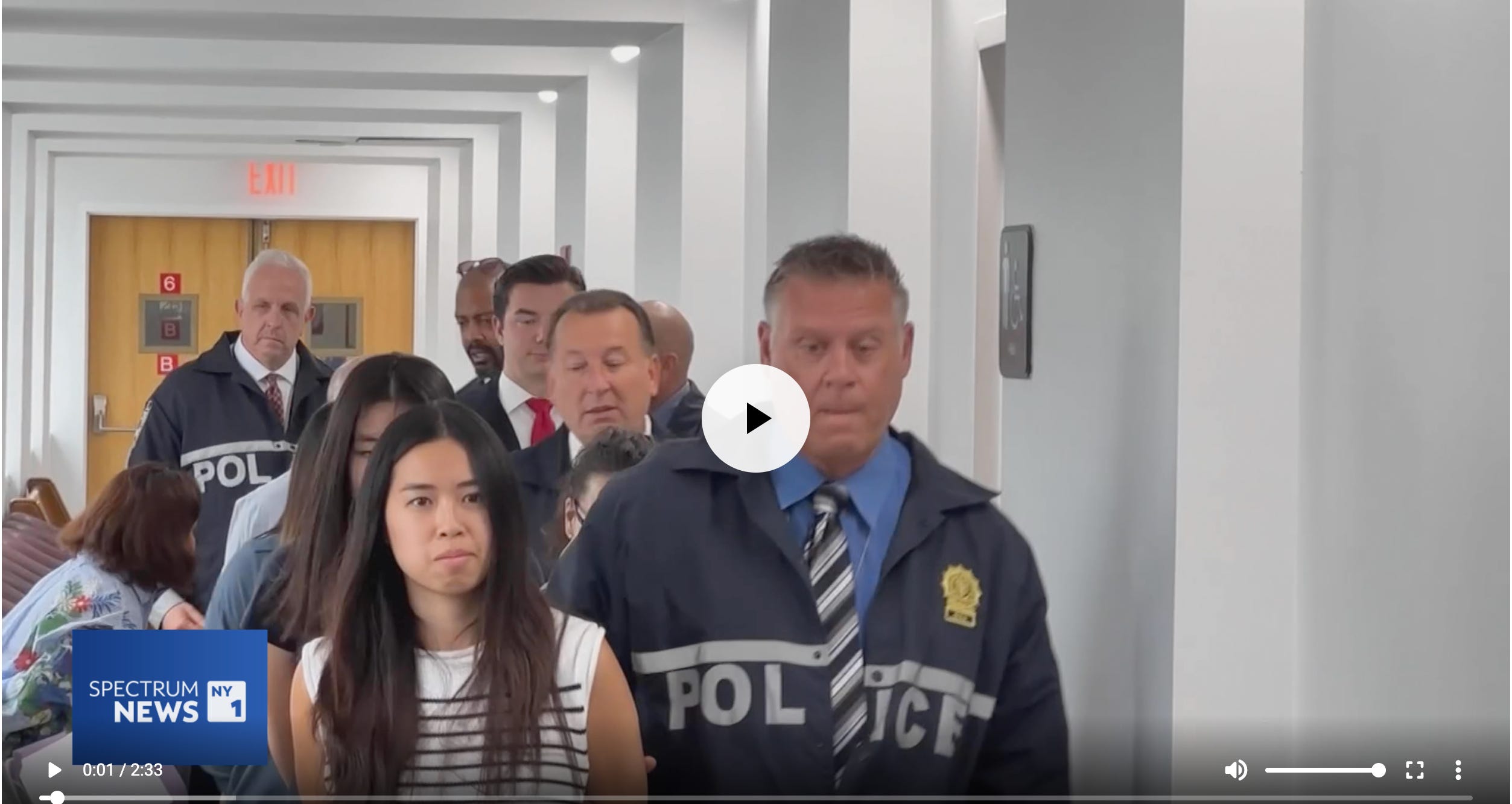
There are a few recent examples, that make it clear this is a legitimate concern. In a Brooklyn, New York, Republican Primary, the New York Times, The New York Post and the Board of Elections in the City of New York, all acknowledged that dead voters had voted.
Mail-in ballots were cast using dead voter’s names, they were rejected, and then someone at the Brooklyn Board of Elections cured them. Which indicates that either there was collusion in the fraud at the Board of Elections. Or the board is completely incompetent. In Brooklyn, it could easily be either.
Because the situation was discovered after the votes were already cast and mingled with all other votes, there was no way to separate them out and the votes were counted.
It’s noteworthy that the Chair of the Kings County (Brooklyn) Republican Party, who appoints workers to the Kings County Board of Elections was on the ballot, running for a City Council seat. 22 other votes were considered questionable by the Board. The race was won by 16 votes.
The North Carolina State Board of Elections recently identified 34,000 dead voters on their voter rolls. The deceased voters were located by comparing the North Carolina records to the SAVE (Systematic Alien Verification for Entitlements) federal database. The North Carolina Board says that the comparison includes “voters’ names, dates of birth, and the last four digits of Social Security numbers” and that further comparisons, including “cross-checking additional state and federal databases and providing due process” will take place “before any removal occurs.”
It will be important for voting rights groups to follow up and check that legitimate living voters do not get purged in the process.
The problem with leaving dead voters and other ineligible voters on the rolls is that they can be used as part of what’s referred to as a “voter slush fund”. These are names that can be used by bad actors to cast votes for particular candidates, because either they certainly won’t vote, (if they’re dead) or most likely won’t vote, because their voter history shows they either never voted, or have rarely voted.
Their is also evidence that “ghost,” “zombie” or duplicate voters are sometimes added to the rolls. These are fictitious names that can be be used to pad a candidate’s vote totals.
Alison Greene at It’s Up to Us is doing detailed research on this type of problem.
Three Cases of Vote-By-Mail Fraud: All Republican
Vote-by-mail fraud was also identified and six campaign workers were charged, including the candidate’s 19-year old daughter, in another Republican City Council race in New York City.
“The fraudulent ballots documented in today’s indictments are just the tip of the iceberg,” said Aaron Foldenauer, attorney for the opposing candidate. He continued, “According to my analysis and the work of our handwriting expert, over 500 fraudulent absentee ballots were submitted in connection with this City Council election—in a race that was decided by just 181 votes.”
Back in North Carolina, the most famous recent vote-by-mail fraud case is the 2016/2018 Bladen County District 9 race.
A State Board of Elections hearing revealed that Leslie McCrae Dowless Jr. was “running an illegal 'ballot harvesting’ operation for the 2018 general election in Bladen County. In it, according to testimony, Dowless and his helpers gathered up hundreds of absentee ballots from voters by offering to put them in the mail.
Some of workers said they were directed to collect blank or incomplete ballots, forge signatures on them and even fill in votes for local candidates …
The election board voted unanimously to order a new 9th District election.”
Ballot Rejection in Vote by Mail Can Also Be High
The flip side of the vote-by-mail fraud problem is the large number of likely legitimate voters whose ballots are
Rejected
Late
Never sent
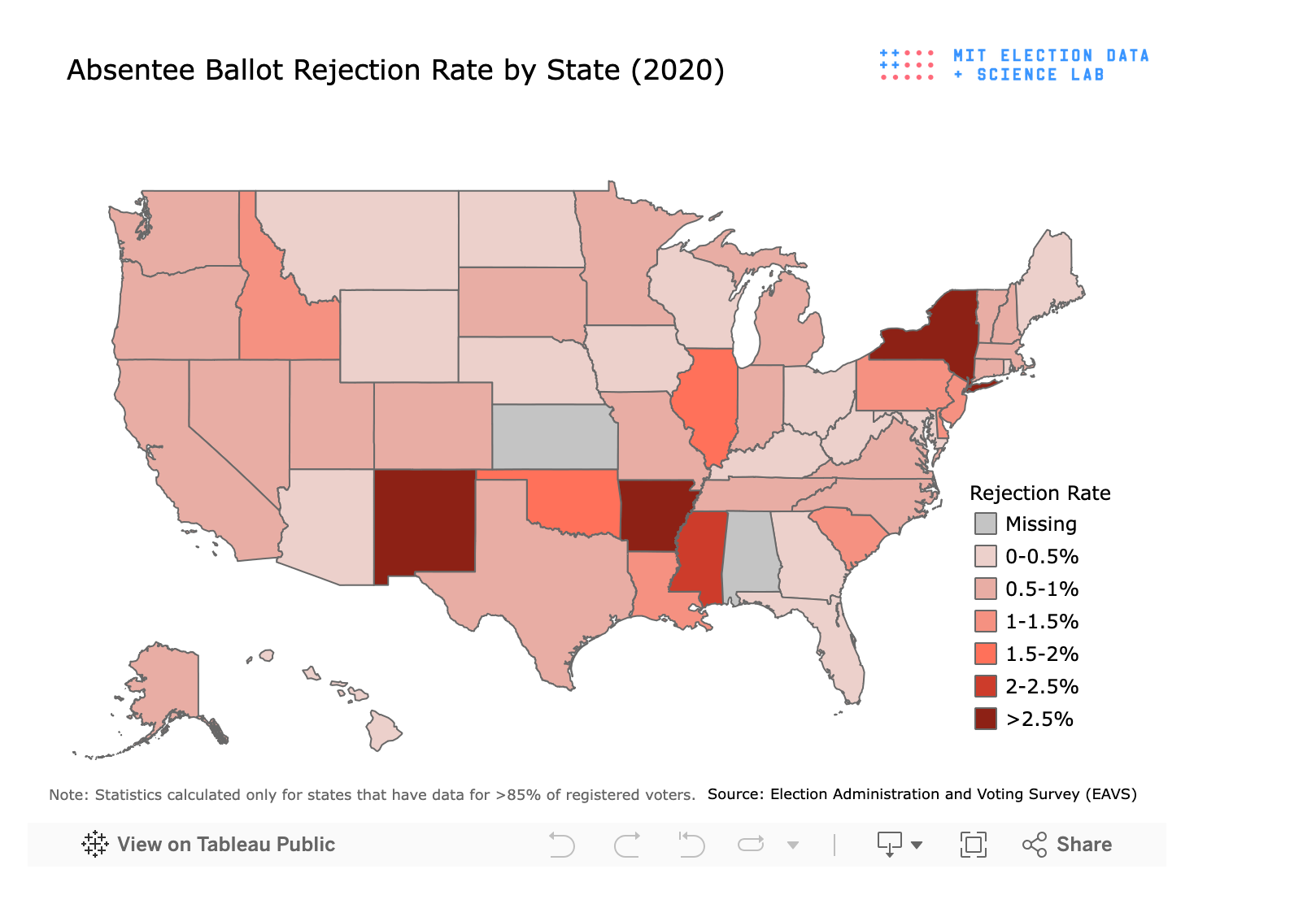
A 2020 exploration from the MIT election blog shows that some states had vote-by-mail rejection rates as high as 5%, and it’s common for states to reject .5-1% of vote-by-mail ballots. Many races are won by less than 1% of the vote, so these are numbers that matter.
A 2024 study published in Science Advances concludes that in Pennsylvania at least, the number of “rejected” ballots vastly underestimated the number of “lost votes.” Using administrative data and data revealed during litigation, they determined that
although Pennsylvania state recorded 23,000 rejected ballots, an additional 11,000, or almost 50% more were actually determined to be “lost.”
Lost mail-in ballots include ballots that are:
Rejected
Rejected, but not correctly identified and categorized as rejected
Requested, but never sent
How Do We Protect Vote-By-Mail?
SMART Elections is collaborating with It’s Up to Us to create a nation-wide voter database that can help both identify ineligible voters and protect registered voters from being unfairly purged.
We are training our #CountTheVote observers in how to request voter rolls from their county and state to add them to the database on an ongoing basis. This gives us baseline data to track and compare to official voter rolls.
We are researching independent instances where fraud likely has taken place, or been attempted in order to better understand the actual approach that may be taken to falsify voter records. Our research into Bexar County is part of that effort.
What Can You Do?
Please take our #CountTheVote Election Observation Training.
We have 3 more trainings, including tonight’s training on Vote-by-mail.
May 12th 4pm PT / 7pmET
That button will take you to a Google form. Once you sign up on the Google form, an automated email is sent to you with the zoom registration link. Please sign up there to receive the link for tonight’s training. Once you have the zoom link - you’re all set. The other trainings in this series are on the same zoom.
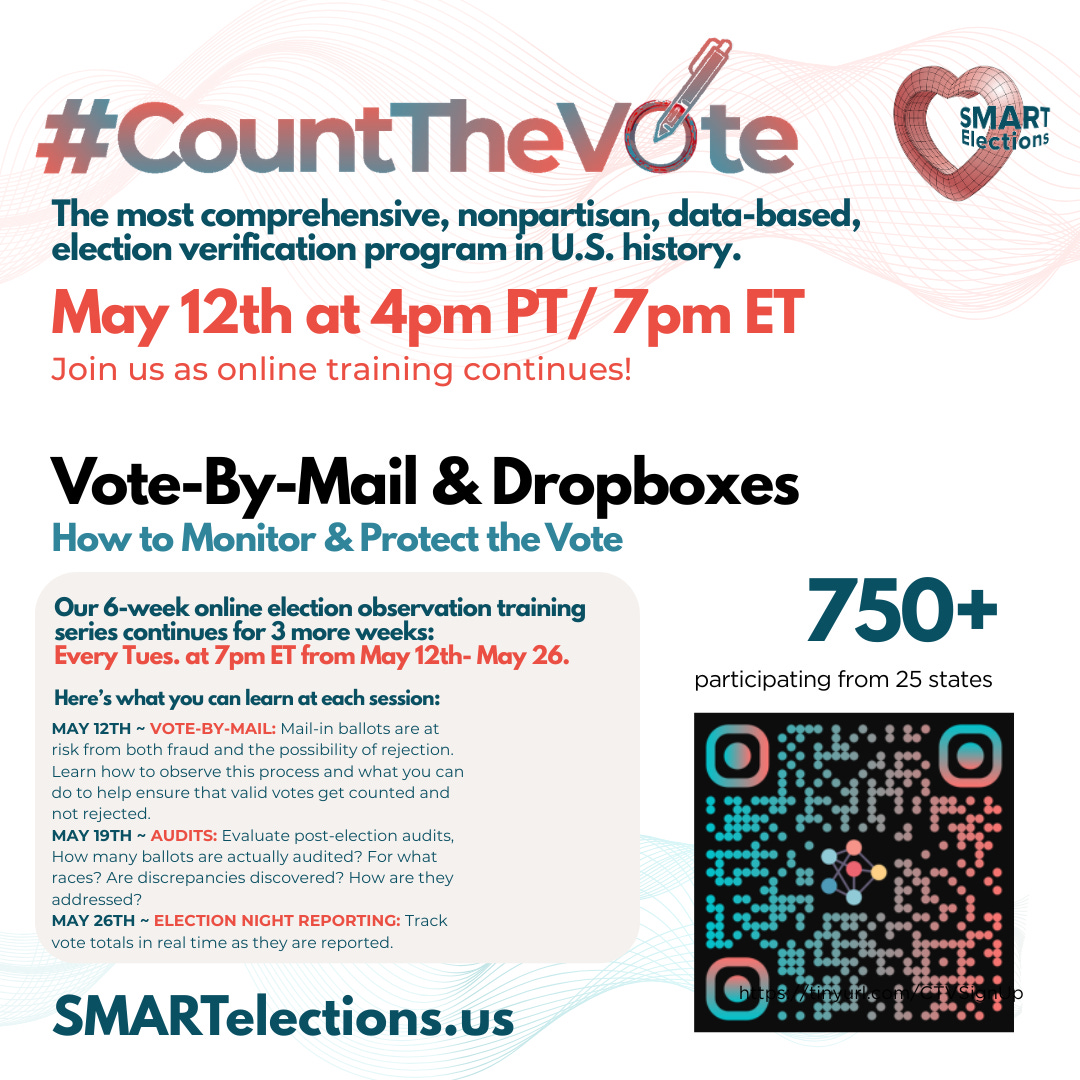
During the training we’ll show you what to look for when you observer vote-by-mail and dropboxes.
We’ll encourage you to take note of and share this type of information:
When is the last day to register to vote?
When are absentee ballots sent out?
When is the last day to send absentee ballots back?
When do they have to be received by ?(Election Day to be safe)
Where are dropboxes in my community?
What are the rules regarding filling out the ballot?
Can I track a ballot as it’s sent to me, and when I send it back?
Please Donate & Subscribe

We have a better understanding what happened in the 2024 and 2020 elections, as we put protections in place for the 2026 midterms. If you find our work valuable, please subscribe and make a donation as well! All donations are tax-deductible.
Thank you to the generous supporters who have helped us get off to a great start in our midterm fundraising!
We are raising $500,000 in order to roll out full protection for the midterms. We’ve raised over $70,000 for this program and we ask you to do your part. So please go to SMARTelections.us, or use the QR code below, and make a donation.

Each $50 you donate provides the recruiting materials, training, software, mentoring, support & follow-up for one observer.
Anything that you can afford is greatly appreciated, and thank you for all that you do.
We appreciate you.
Think for yourself, or others will think for you without thinking of you.
~ Henry David Thoreau
 | A guest post by
|
Heritage’s 2020 mail-ballot fraud list: 1,200 cases, 1.3B votes cast. Rejection rate in 2022 primaries hit 3.7%. Fraud is noise; signature mismatches are the signal.